

 Staff Writer
If you’re over 50 and you don’t feel prepared for retirement, you are not unusual. You’re living inside a very modern collision: longer lives, higher costs, interrupted careers, caregiving responsibilities, and a retirement system that often assumes steady income, stable health, and a straight path.
That gap between “what I thought my later years would look like” and “what I can actually see on paper” can trigger a specific kind of panic. Not just financial worry, but identity worry. Am I behind as a person? Did I miss my chance? Did everyone else figure this out except me?
Let’s take the shame out of the room.
National surveys consistently show that many adults feel uncertain about retirement. In the Federal Reserve’s 2024 Survey of Household Economics and Decisionmaking (SHED), only 35% of non-retired adults said their retirement savings plan was on track. Pew Research also found that only about a quarter of U.S. adults (26%) are extremely or very confident they’ll have enough to last through retirement, and uncertainty is higher for lower-income households.
So this post isn’t here to lecture you from a spreadsheet. It’s here to help you frame the situation in a way that’s human, practical, and stabilizing.
What this is: a grounded way to evaluate where you are, reduce the overwhelm, and start building options.
What this isn’t: individualized financial advice or a promise that one perfect tactic will solve everything (it won’t).

Why this happens (even to “responsible” people)
Retirement shortfalls rarely come from laziness. They come from life.
- Caregiving years (kids, aging parents, a partner’s health) that quietly drain time, money, and momentum.
- Career detours: layoffs, industry changes, underemployment, starting over.
- Debt and housing costs that grew faster than wages in many places.
- Healthcare uncertainty, especially when work and insurance are tied together.
- Not knowing what “enough” means, because retirement is not one number. It’s a set of moving parts.
Even the “typical” savings figures can be sobering. Using Federal Reserve Survey of Consumer Finances data, widely cited summaries show that the median retirement account balance for households aged 55–64 is often reported around $185,000 (with big variation based on who has accounts at all). Those numbers don’t mean you’re doomed. They mean you’re looking at a real, common challenge, not a personal failure.
The most important reframe: retirement is not a finish line
It’s a design problem
A “guru” frame says: You need a big number by a certain date.
A real-life frame says: You need a plan that creates stability and choices.
Think of retirement readiness as four connected systems:
- Cash flow stability (what comes in, what goes out, what surprises you can absorb)
- Safety nets (Social Security, Medicare, benefits, pensions if applicable)
- Housing reality (your biggest monthly lever for most people)
- Work optionality (your ability to earn in lighter, flexible ways as you age)
You don’t fix all four at once. You build them in the right order.

Start here: the Retirement Readiness Map (without the jargon)
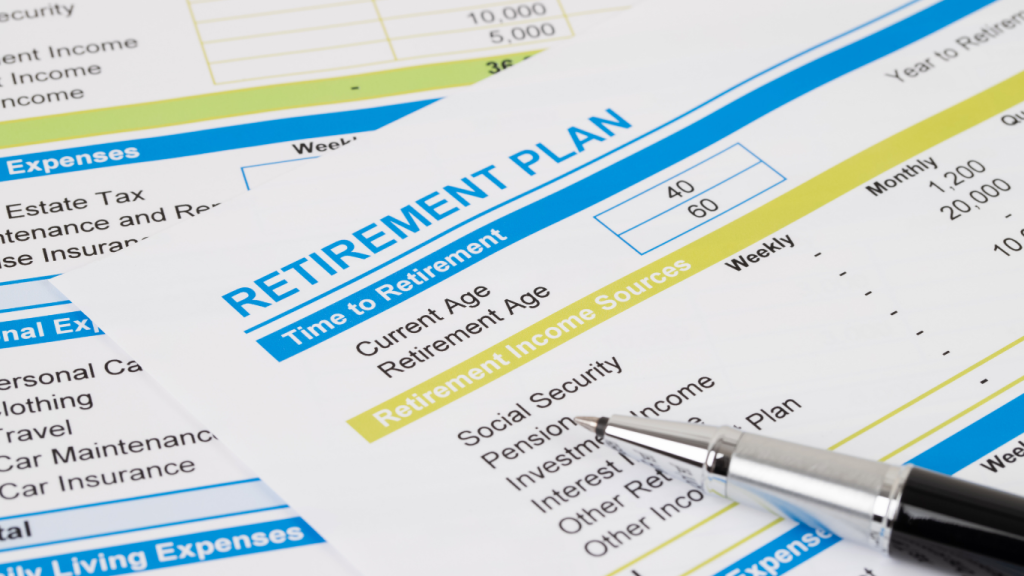
If you do nothing else, build a one-page snapshot. You are not trying to predict the next 30 years today. You are trying to replace dread with clarity.
Your one-page snapshot has 8 boxes
- Monthly basics: housing + utilities + food + transportation + insurance
- Debt minimums: total required monthly payments
- Emergency buffer: how many months could you cover if income dropped?
- Health coverage plan: what happens at 62, 65, and beyond?
- Retirement accounts: what exists, where, and what you contribute monthly (if anything)
- Social Security: your estimate and your earliest/full retirement age options
- Housing: rent vs own, mortgage status, expected stability
- Work options: realistic ways to earn later (lighter work counts)
This is where overwhelm often breaks. Because once you can see it, you can sequence it.
A quick reality check on time (and why it matters)
Retirement planning feels abstract until you connect it to longevity.
The CDC’s latest figures show that in the U.S., life expectancy at age 65 is about 19.7 more years on average (2024 data). That’s not a scare tactic. It’s context. “Retirement” can easily be a two-decade chapter.
That’s why the goal isn’t perfection. The goal is building a structure that can hold you for longer than you think.
Social Security basics (because this is part of the plan for most people)
Social Security isn’t “extra” for many households. It’s foundational.
A few grounding points:
- If you were born in 1960 or later, your full retirement age is 67 (for Social Security retirement benefits).
- You can claim as early as 62, but your monthly benefit is reduced compared to claiming at full retirement age.
- If you delay beyond full retirement age, benefits increase until age 70 (after that, they stop increasing).
Also worth knowing: the Social Security Trustees’ summary currently projects depletion of the OASI Trust Fund reserves in 2033 (with ongoing tax income still paying a substantial share of benefits, though changes would be needed for full scheduled benefits).
You don’t need to panic about that today, but it’s a good reason to stay informed and plan with flexibility.
Non-guru takeaway: Social Security timing is one of the biggest levers many people have, and it interacts with health, work, caregiving, and housing. It’s not just a math choice, it’s a life choice.
“But I’m behind.” What matters most when you’re starting later
When time feels shorter, people often reach for extremes:
- “I’ll never catch up, so why try.”
- “I need a big risky move to make up for lost time.”
Neither is helpful.
What tends to matter most in your 50s and beyond is reducing fragility. In plain language: fewer ways for life to knock you over.
Here are the non-guru moves that often create the most relief and momentum:
1) Stabilize the present before you “invest in the future”
If your monthly life is unstable, retirement saving becomes emotionally impossible. Start with:
- A realistic spending baseline (not aspirational)
- A plan for irregular expenses (car repairs, medical bills, home costs)
- A small buffer that makes you less breakable
The Federal Reserve’s SHED report tracks this kind of resilience: in 2024, 63% of adults said they would cover a hypothetical $400 emergency expense using cash or its equivalent. That also means a large minority would not, and that fragility bleeds into every other goal.
2) Stop thinking “retirement” and start thinking “income layers”
Instead of one giant pile of money, think in layers:
- Guaranteed / baseline layer: Social Security, pensions (if any)
- Work layer: part-time, consulting, seasonal work, lighter roles
- Savings layer: retirement accounts, emergency funds, other savings
- Housing layer: rent stability, paid-off home, downsizing options, house-hacking possibilities
Your job is to make the layers stronger and more coordinated.
3) Use the tools designed for 50+ without turning it into a thesis
Many people over 50 can contribute “catch-up” amounts to retirement accounts, subject to eligibility and income rules.
For example, the IRS announced that in 2026:
- The employee contribution limit for many workplace plans (like 401(k)s) rises to $24,500
- Catch-up limits for many plans generally rise to $8,000 for age 50+ (with a higher catch-up limit for ages 60–63)
- IRA limits rise to $7,500, with an age 50+ catch-up of $1,100
Non-guru framing: you don’t need to max everything. You need to know what’s available, and pick a contribution level you can sustain without blowing up your present.
4) Housing is not a footnote. It’s the stage.
If you’re anxious about retirement, look at housing first:
- If you rent: what increases are realistic in your area? what would stability look like?
- If you own: what does maintenance cost over the next decade? what is the plan if income dips?
- If you might move: is it to reduce costs, gain community, be near care, or all three?
People often try to solve retirement with retirement accounts alone, but housing stability is frequently the difference between “I can breathe” and “I can’t.”
5) Don’t ignore the “work optionality” strategy
A powerful retirement plan for many people is not “stop working at 62.” It’s “reduce intensity gradually.”
Work optionality can look like:
- A role that’s less physically demanding
- A hybrid job that reduces commuting costs
- A credential or skill that increases your hourly value
- A seasonal pattern (work certain months, rest others)
- A service you can sell without building a whole new brand
This is especially important if your savings are limited. Your future self needs options, not pressure.
Real-life mini stories (because this is how it actually looks)
Example 1: The Caregiver Who Lost a Decade of Momentum
She didn’t “fail to plan.” She was raising a child and managing a parent’s decline at the same time. Retirement contributions stopped, not because she didn’t care, but because the household needed the cash now.
Her best next step isn’t a perfect portfolio. It’s rebuilding stability: document everything, protect the buffer, and create a realistic path to lighter work later.
Example 2: The Renter Who Feels Trapped by Costs
He has some savings but can’t imagine retirement in a city where rent rises every year.
His best next step isn’t shame. It’s a housing strategy: decide whether stability comes from a different neighborhood, a different city, a roommate arrangement later, or a move closer to family.
Example 3: The “High Earner, Late Starter”
She earned well but started saving late due to divorce and debt.
Her best next step is consistency and protection. Automated contributions, catch-up options if feasible, and reducing the chances that a single medical or job event knocks the plan off course.
None of these people need motivational slogans. They need a plan that respects what happened.
A simple 30-day reset plan (no overwhelm version)
Week 1: Gather and name what’s real
- Pull your Social Security estimate (or create your online account)
- List every retirement account, even if it’s small
- Write down your monthly essentials and debt minimums
Week 2: Reduce fragility
- Identify one expense you can reduce without making life miserable
- Build or rebuild a small emergency buffer target
- Fix one “leak” (late fees, subscriptions you forgot, insurance mismatch)
Week 3: Add one sustainable retirement lever
Choose one:
- Increase an employer plan contribution slightly
- Start an IRA contribution at a small monthly amount
- Capture an employer match if available
- Set a calendar reminder to review catch-up contribution eligibility
(You’re building a habit, not winning a contest.)
Week 4: Build your “later-life options list”
Write 10 ways you could earn money later that do not destroy your health:
- a lighter job in your field
- training others
- admin/operations support
- part-time patient-facing or non-patient-facing roles (if healthcare-adjacent)
- seasonal work
- contract work
Then circle the 2 most realistic and take one small step toward one of them.
This is how “retirement” becomes less terrifying: you stop treating it like a cliff.
What to say to yourself when the shame shows up
Try this sentence (and mean it):
“I’m not late. I’m responding to the reality I’ve lived.”
Because the story matters. Retirement is not just a money story. It’s a story about caregiving, health, opportunity, race and gender pay gaps, layoffs, divorce, grief, and survival. Pew’s data also shows large differences in retirement confidence by income and across demographic groups, which is another reminder that this isn’t simply about “being disciplined.”
You don’t need to become a financial expert to become more prepared. You need:
- a clear snapshot,
- fewer ways for life to destabilize you,
- and a set of options that makes your future feel less like a trap.
That’s a meaningful form of readiness.
This article is for education and encouragement, not individualized financial, tax, or legal advice. Consider consulting a licensed professional for guidance tailored to your situation.
